
Label literacy
The journal
Read the label, then choose
How to compare formats, pack sizes and panels. No claims, no advice.
- Entries
- 46
- Editorial guides
- 6
- Buying guides
- 40
01 / Editorial
Editorial guides
Label literacy, format comparisons and how to shop a range.
- Minerals
Comparing magnesium supplement formats
- Sports nutrition
Creatine powder: what to compare before buying
- Collagen and fibre
Collagen powders: formats, sources and allergens
- Shopping guides
Building a simple nutrition-shopping routine
- Minerals and omegas
Understanding omega-3 labels and fatty-acid amounts
02 / Buying guides
Buying guides
One guide per product, grouped by category. Each links to the pack it describes.
Vitamins & Daily Essentials
10 guidesShop this category
- Buying guide
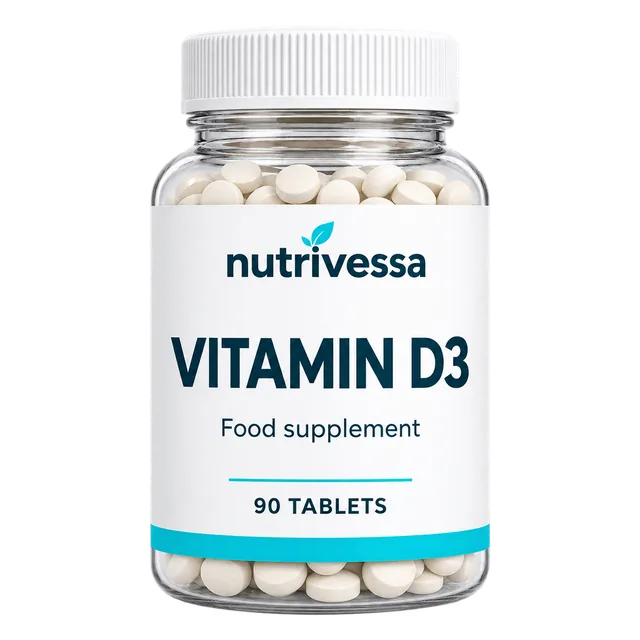
Vitamin D3: what to compare before you buy
- Buying guide
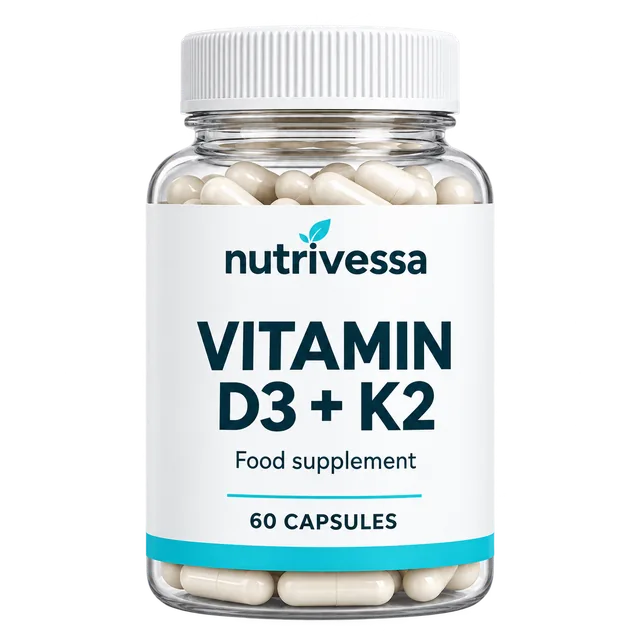
Vitamin D3 + K2: how to compare a two nutrient pack
- Buying guide
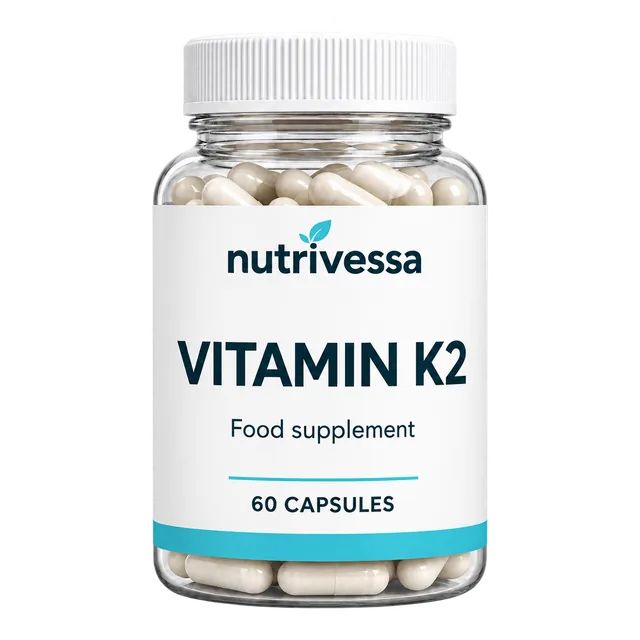
Vitamin K2: reading the form, the carrier and the pack
- Buying guide
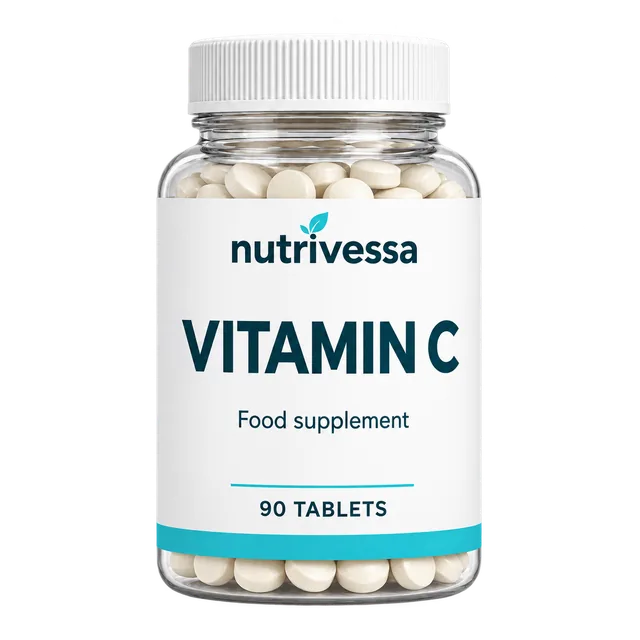
Vitamin C: why compound mass is not nutrient mass
- Buying guide
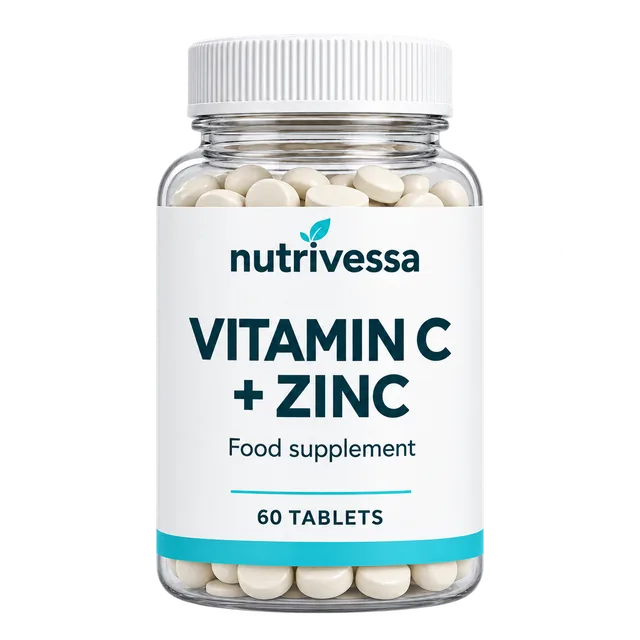
Vitamin C + Zinc: comparing a two nutrient tablet
- Buying guide
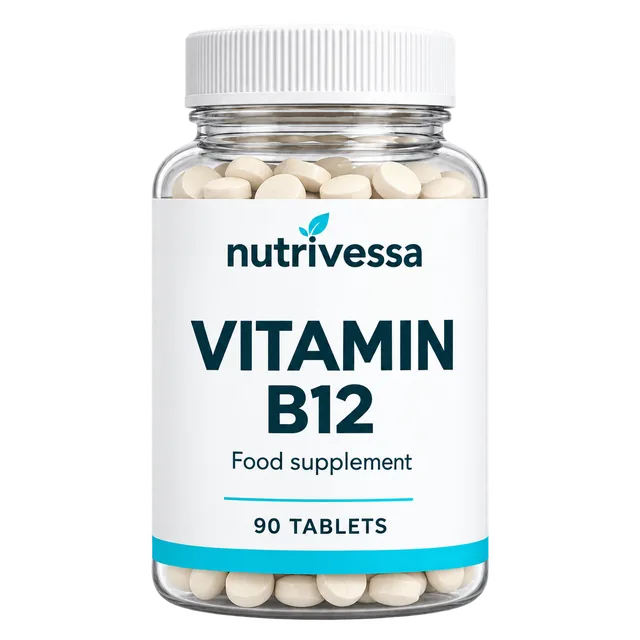
Vitamin B12: the form is printed on the label
- Buying guide
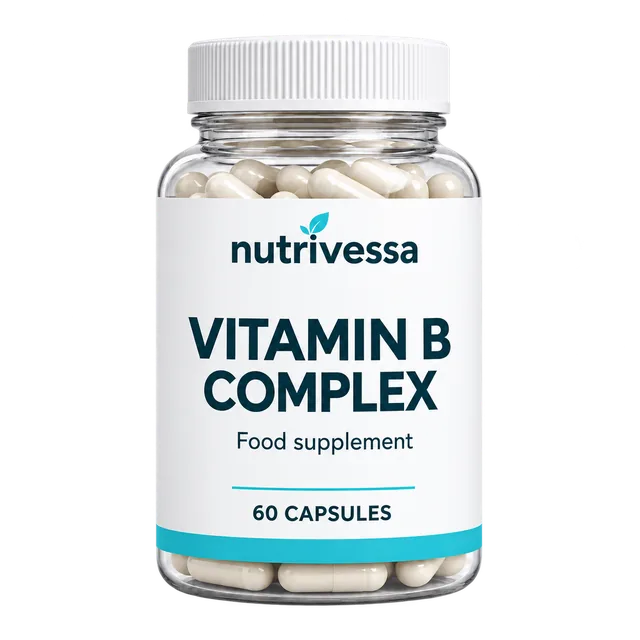
Vitamin B Complex: compare the panel, not the name
- Buying guide
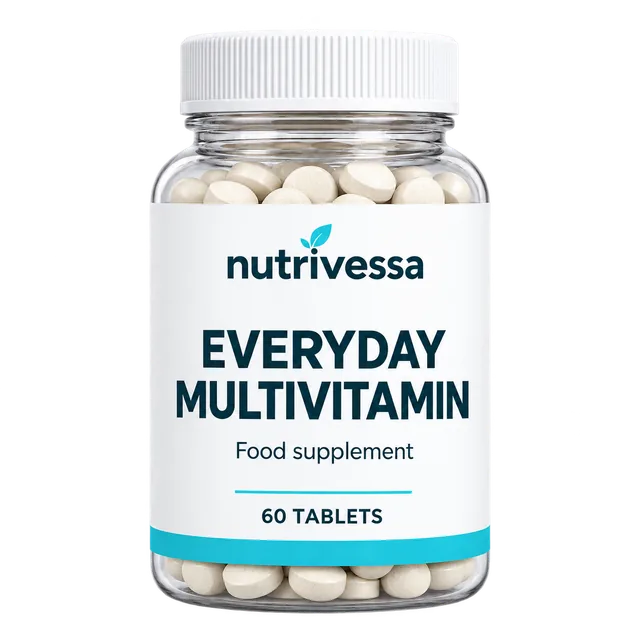
Everyday Multivitamin: how to compare a long panel
- Buying guide
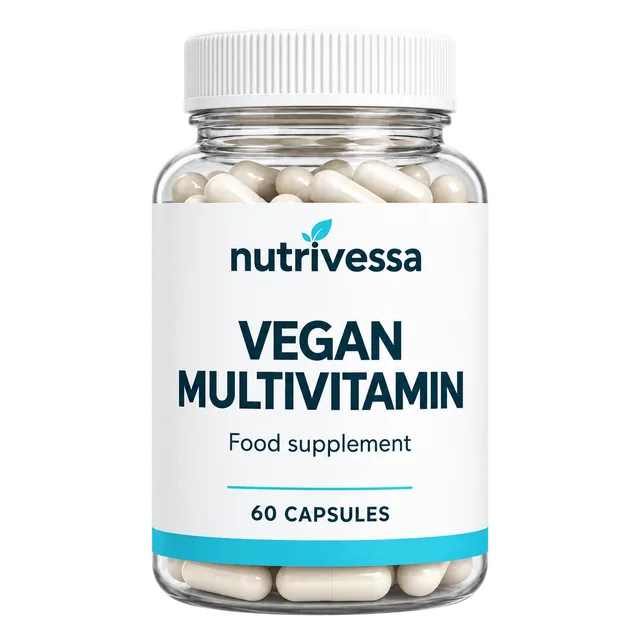
Vegan Multivitamin: what a vegan claim has to rest on
- Buying guide
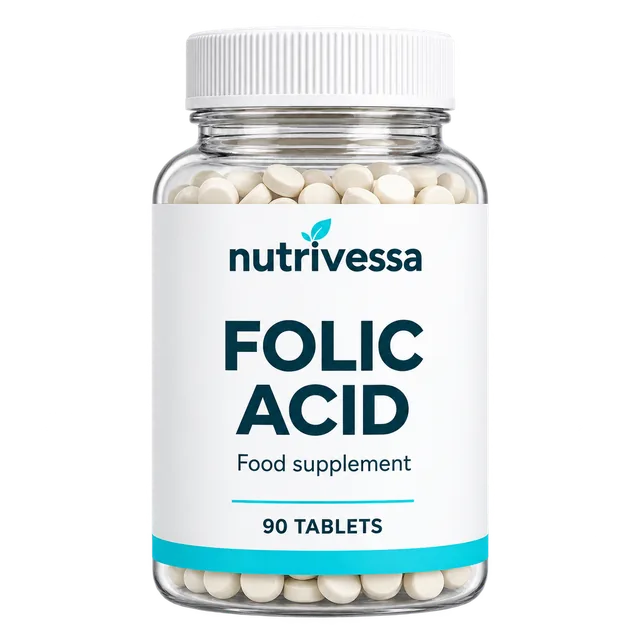
Folic Acid: names, units and pack size
Minerals & Omegas
10 guidesShop this category
- Buying guide
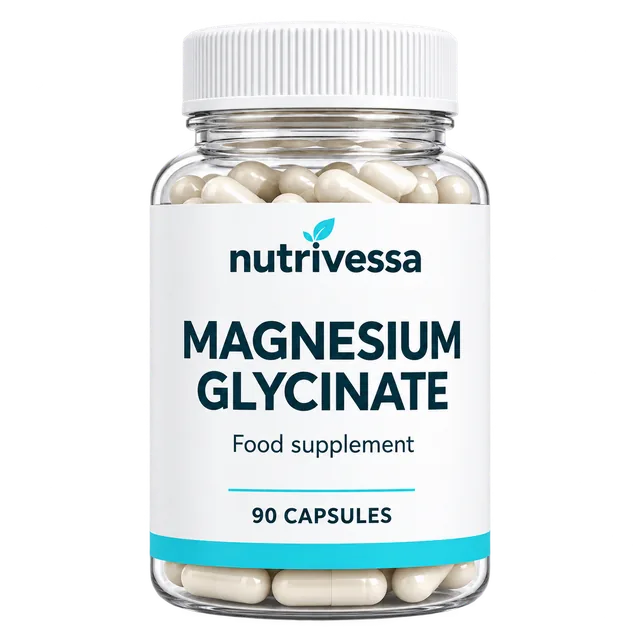
Magnesium glycinate: what the label has to tell you
- Buying guide
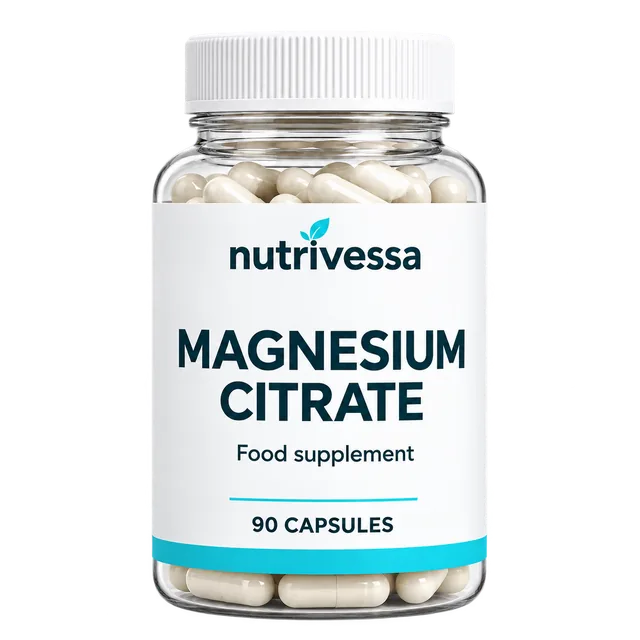
Magnesium citrate labels: the figures worth comparing
- Buying guide
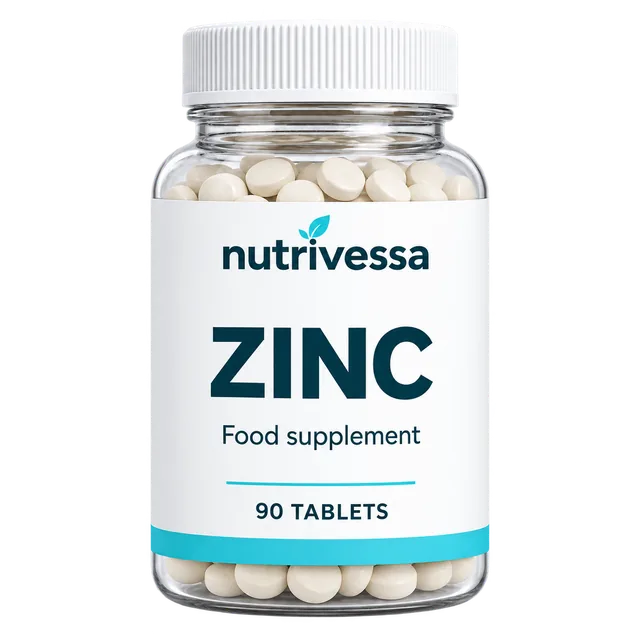
Zinc labels: one nutrient, several salts
- Buying guide
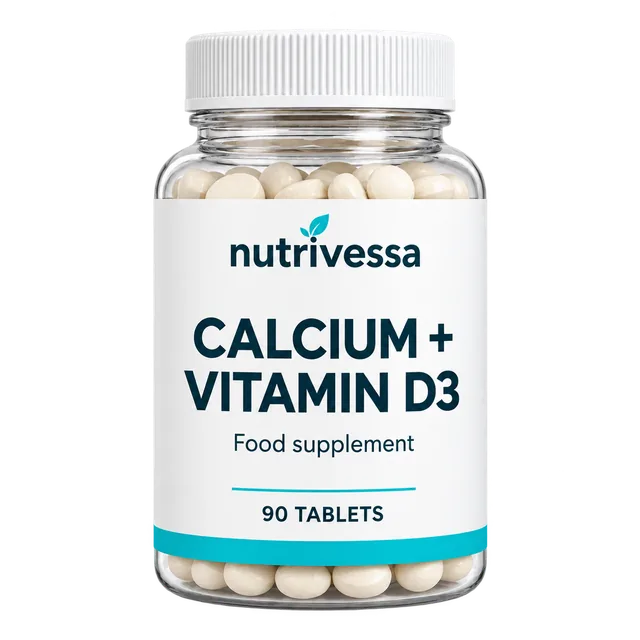
Calcium with vitamin D3: reading a two nutrient label
- Buying guide
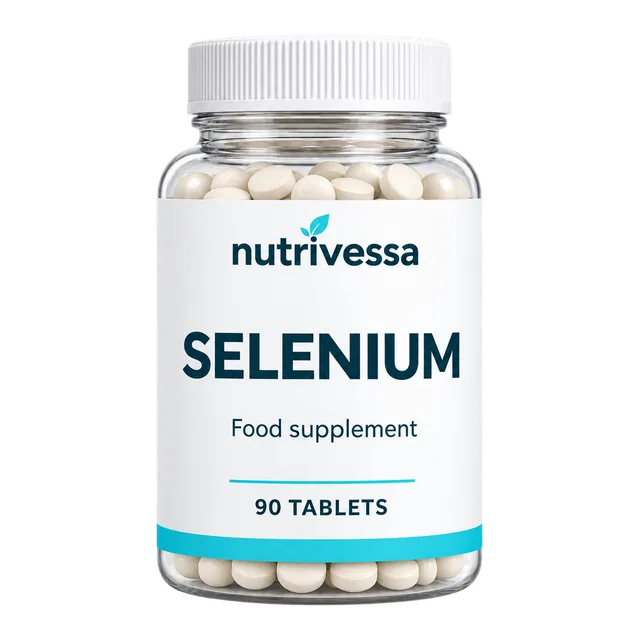
Selenium labels: why the microgram column matters
- Buying guide
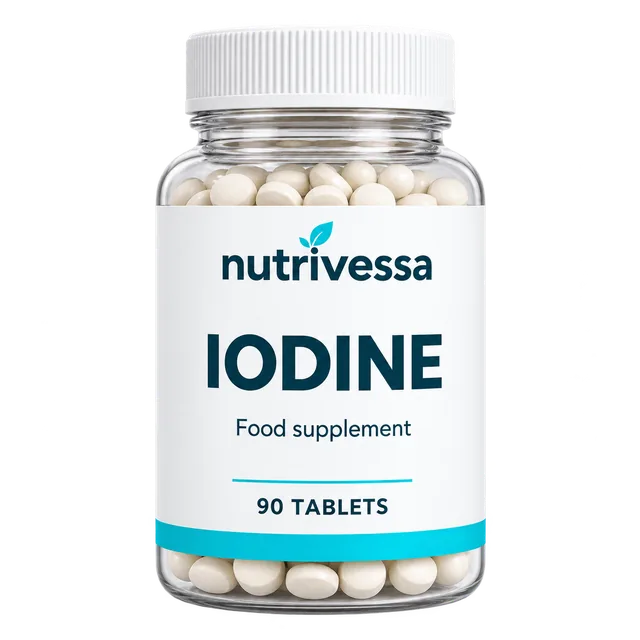
Iodine: the label details that get skipped
- Buying guide
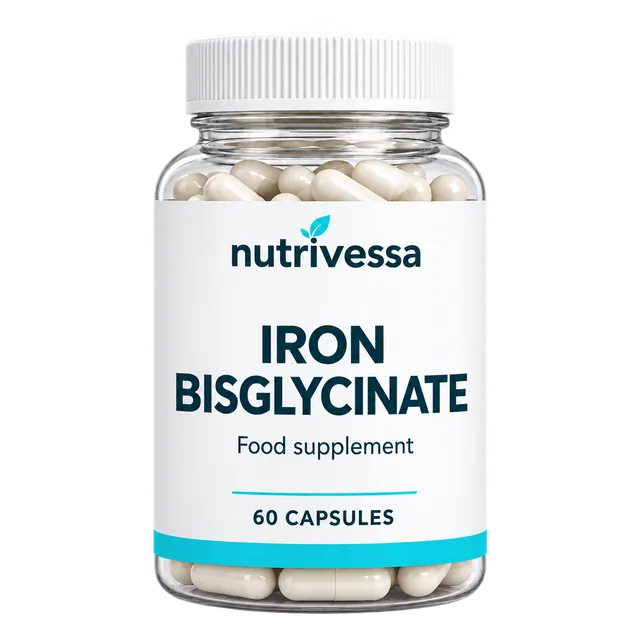
Iron bisglycinate: compound weight against elemental iron
- Buying guide
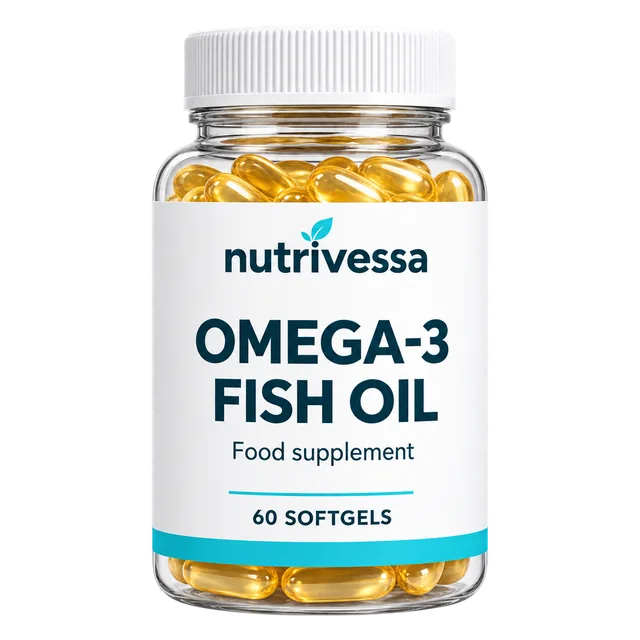
Fish oil labels: oil weight is not EPA and DHA
- Buying guide
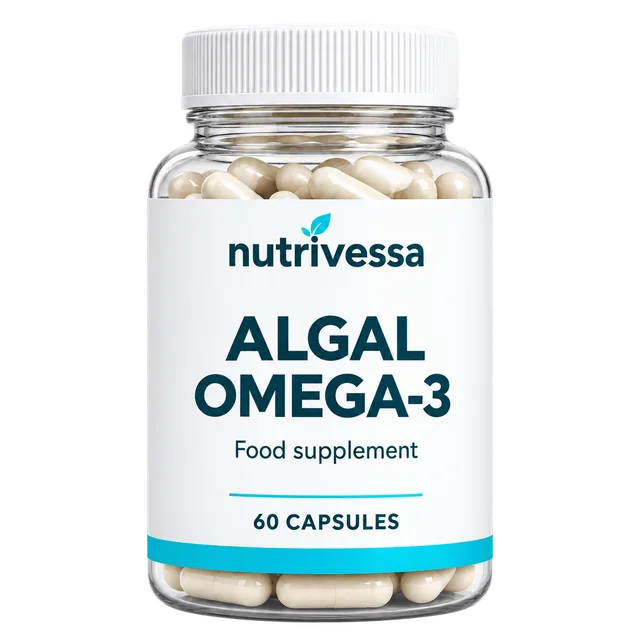
Algal omega-3: comparing a DHA led label
- Buying guide
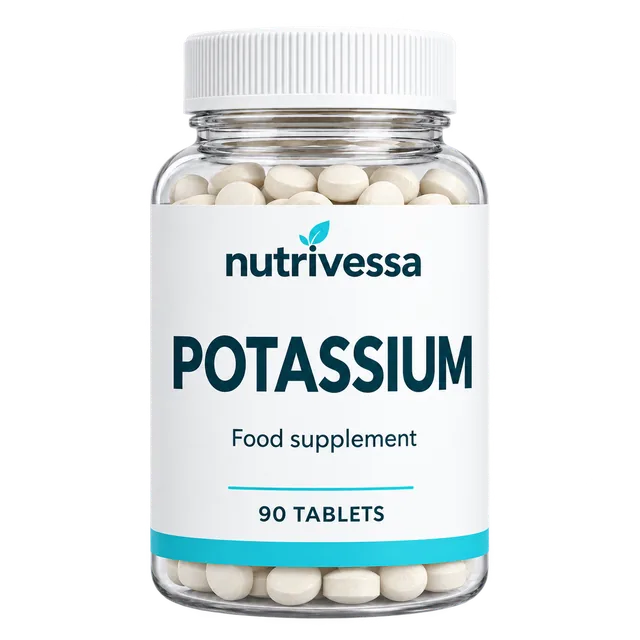
Potassium: which number on the label is the potassium
Collagen, Fibre & Cultures
10 guidesShop this category
- Buying guide
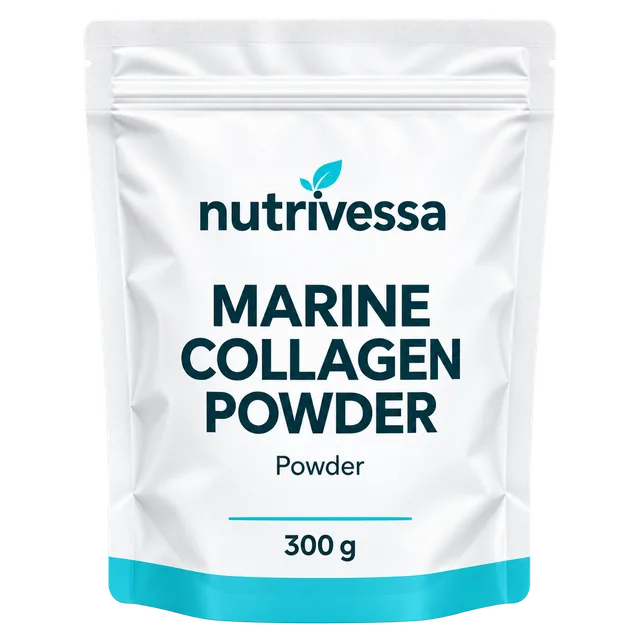
Marine Collagen Powder: what to check before you buy
- Buying guide
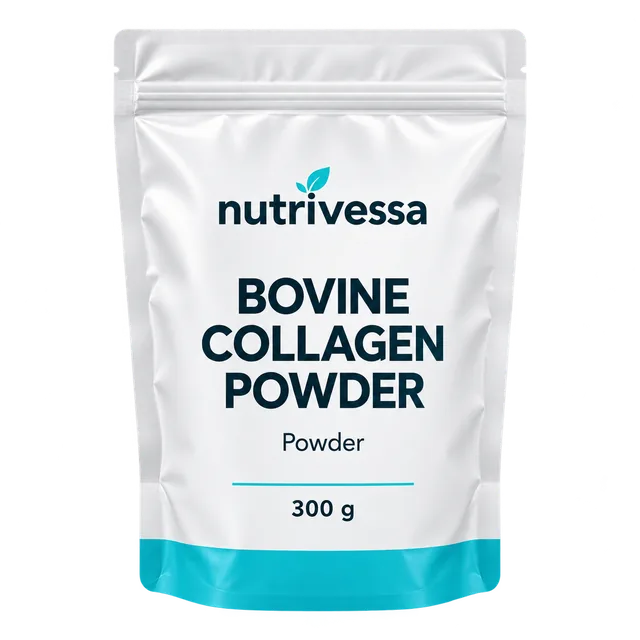
Bovine Collagen Powder: how to compare one pouch with another
- Buying guide
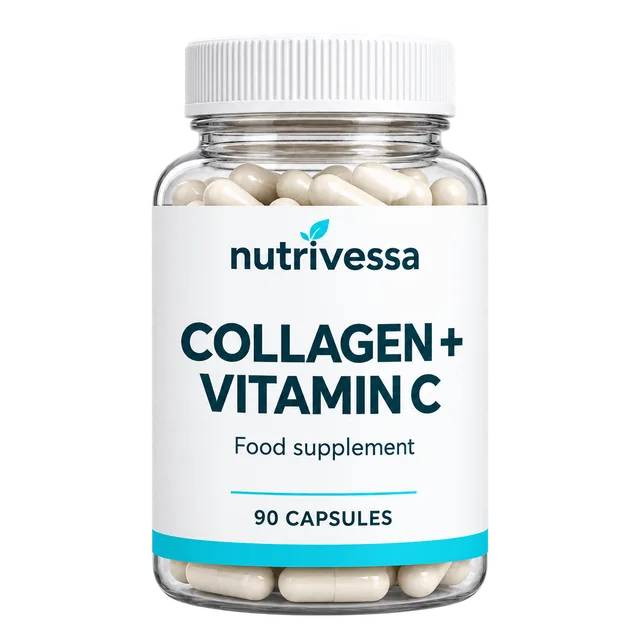
Collagen Plus Vitamin C: reading a two ingredient label
- Buying guide
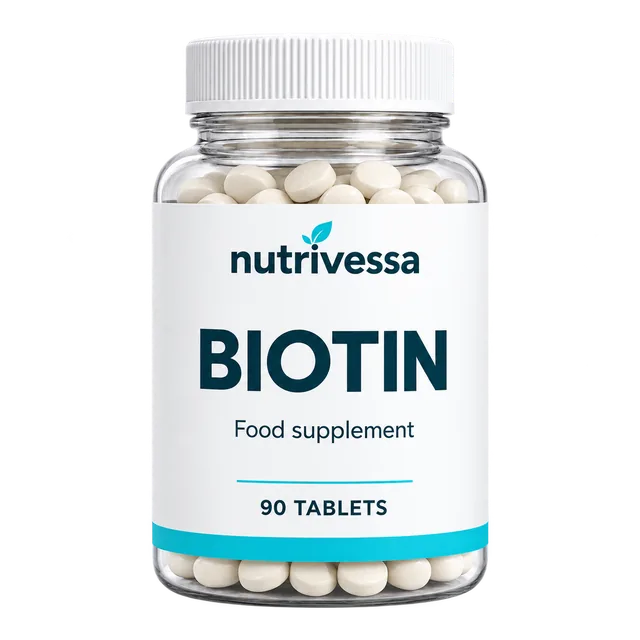
Biotin: a microgram nutrient with an NRV
- Buying guide
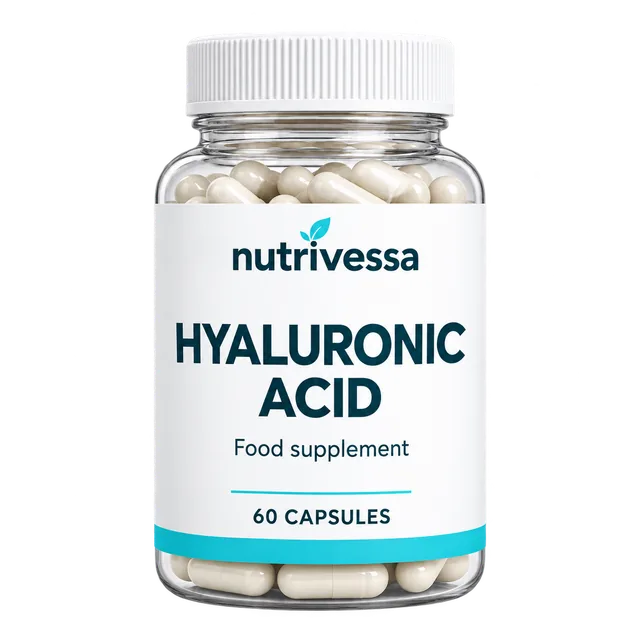
Hyaluronic Acid Capsules: the two things the label must state
- Buying guide
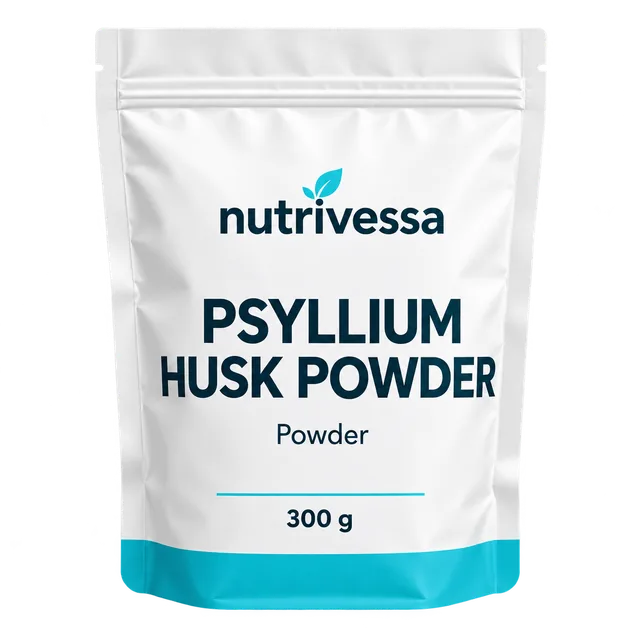
Psyllium Husk Powder: comparing fibre content per portion
- Buying guide
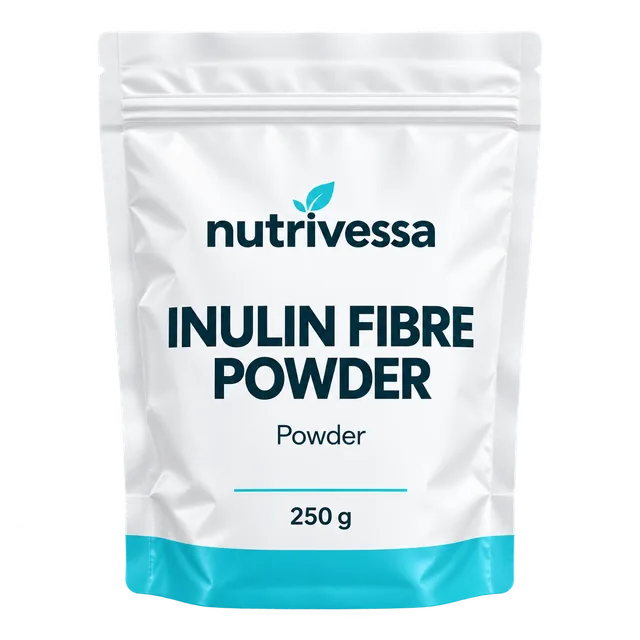
Inulin Fibre Powder: what to compare on a 250 g pouch
- Buying guide
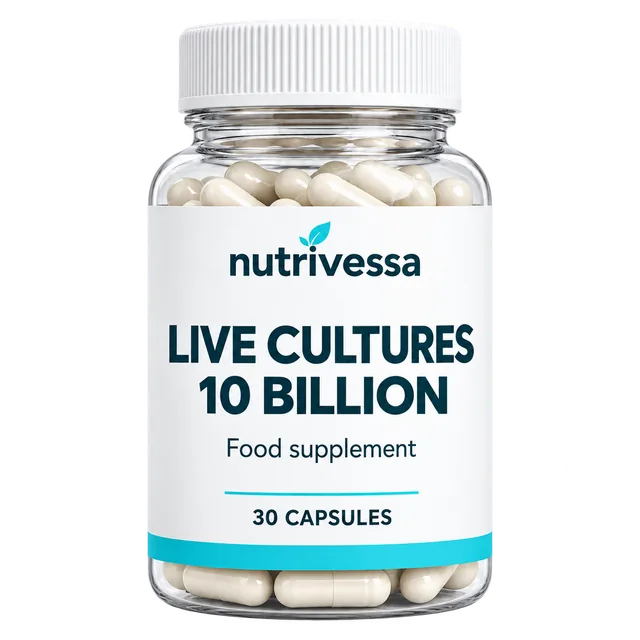
Live Cultures 10 Billion: reading the count and the strains
- Buying guide
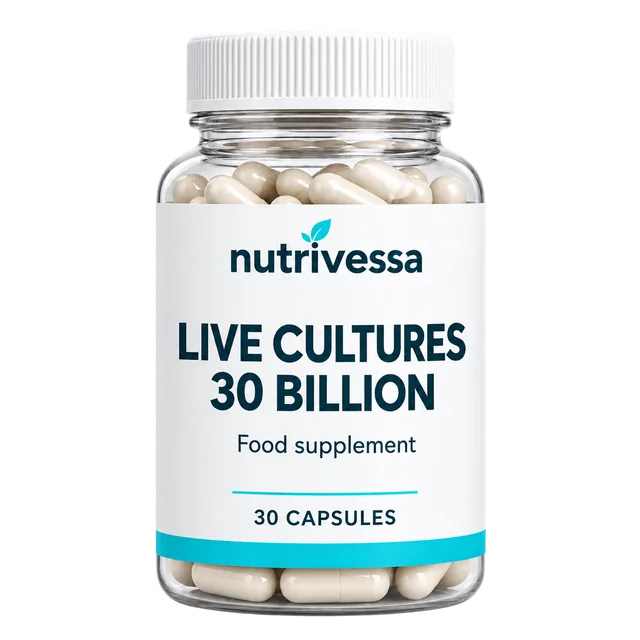
Live Cultures 30 Billion: comparing a higher stated count
- Buying guide
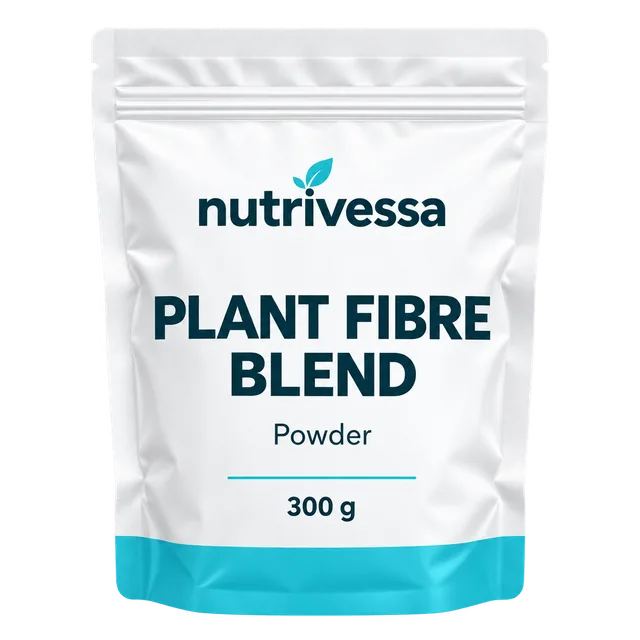
Plant Fibre Blend: what a blend label has to show
Sports Nutrition & Specialist Ingredients
10 guidesShop this category
- Buying guide
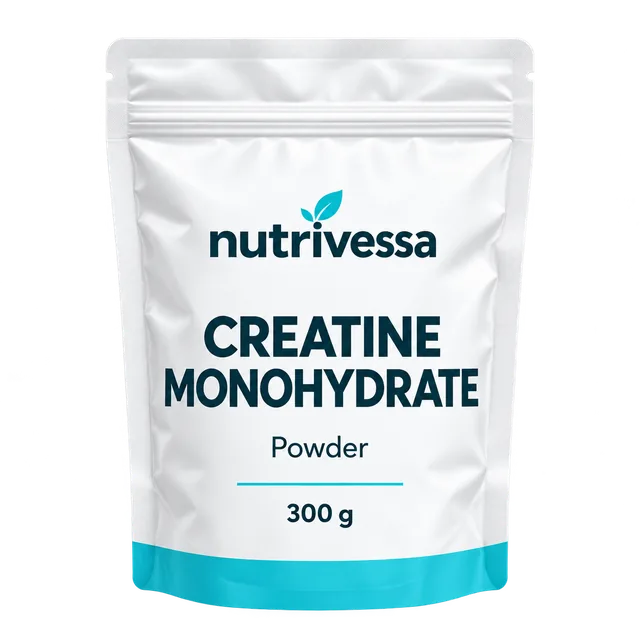
Creatine Monohydrate: what the tub has to tell you
- Buying guide
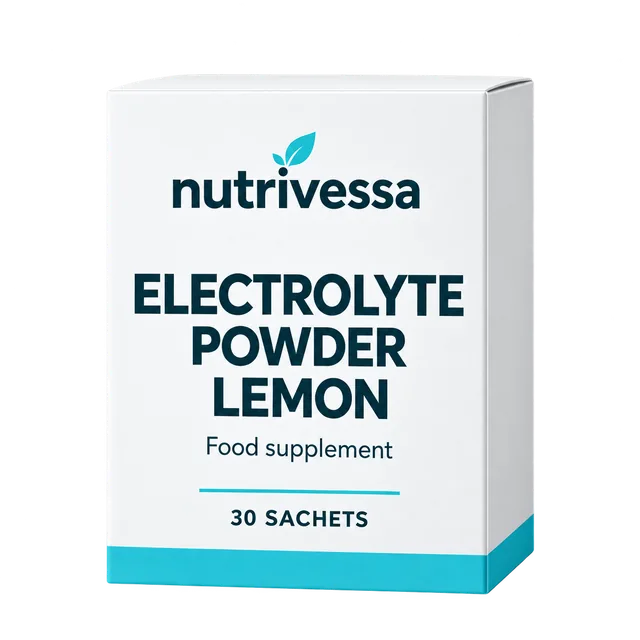
Electrolyte Powder Lemon: sachets, counts and minerals per sachet
- Buying guide
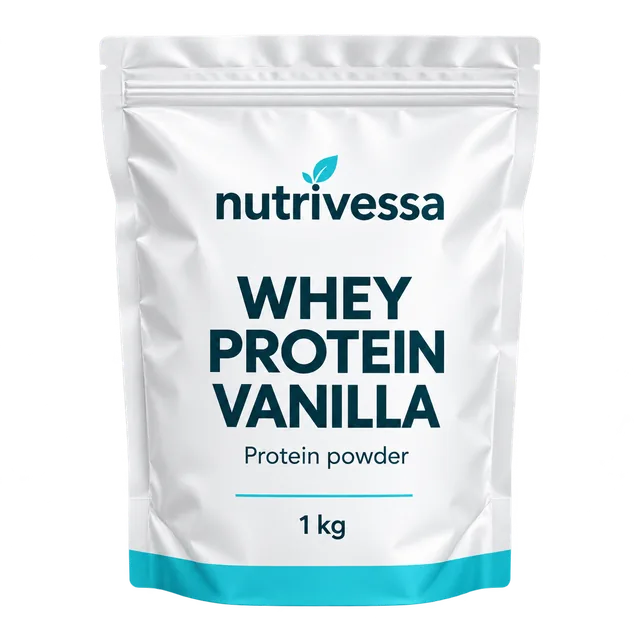
Whey Protein Vanilla: why 1 kg is not 1 kg of protein
- Buying guide
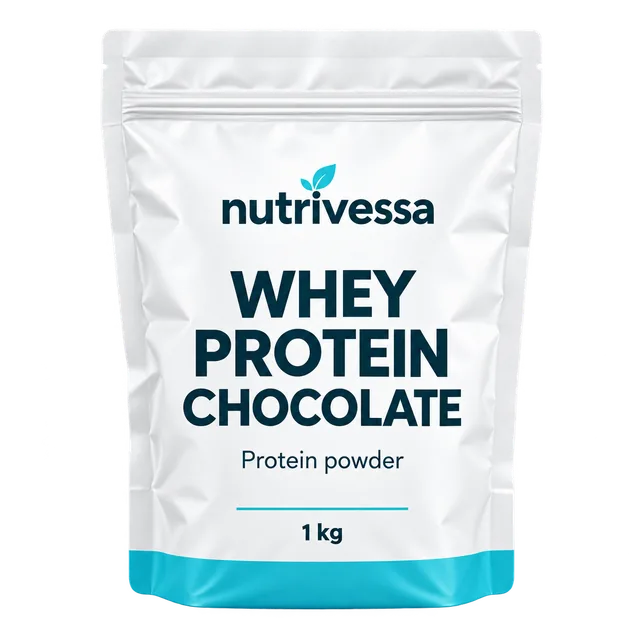
Whey Protein Chocolate: reading the flavoured version of a formula
- Buying guide
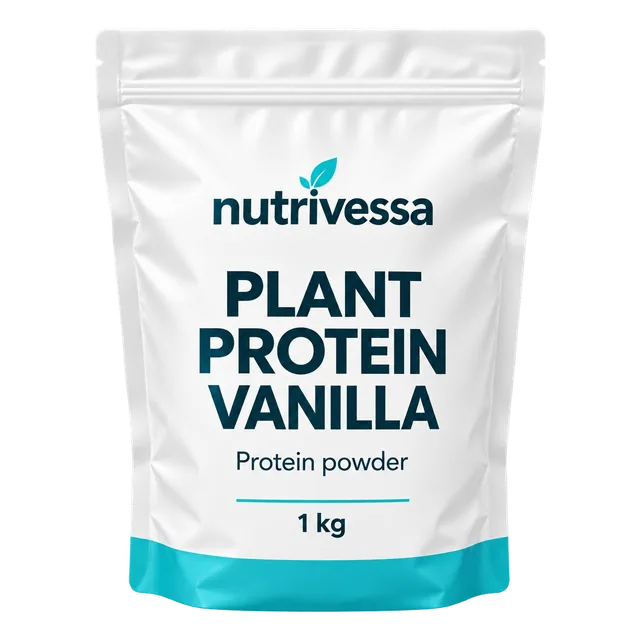
Plant Protein Vanilla: comparing a plant base with a dairy one
- Buying guide
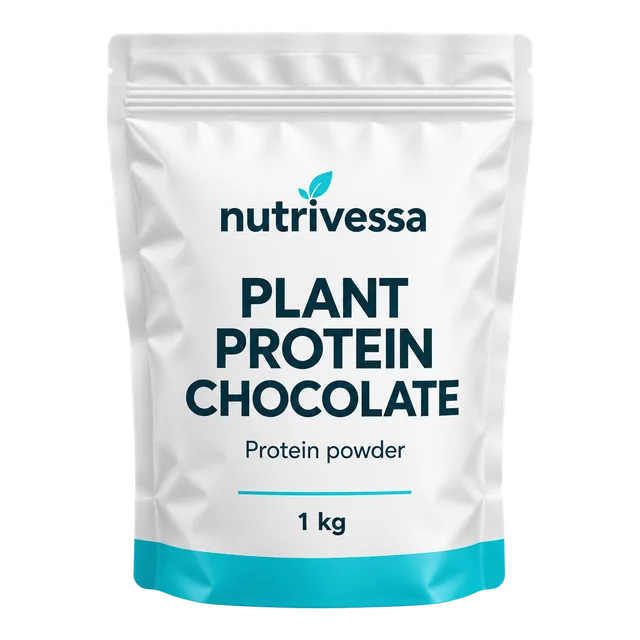
Plant Protein Chocolate: the ingredients list, line by line
- Buying guide
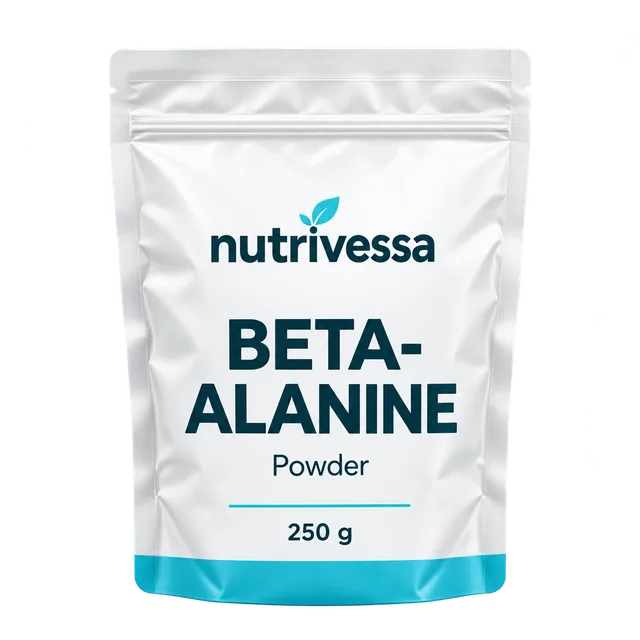
Beta-Alanine: checking a single-ingredient powder
- Buying guide
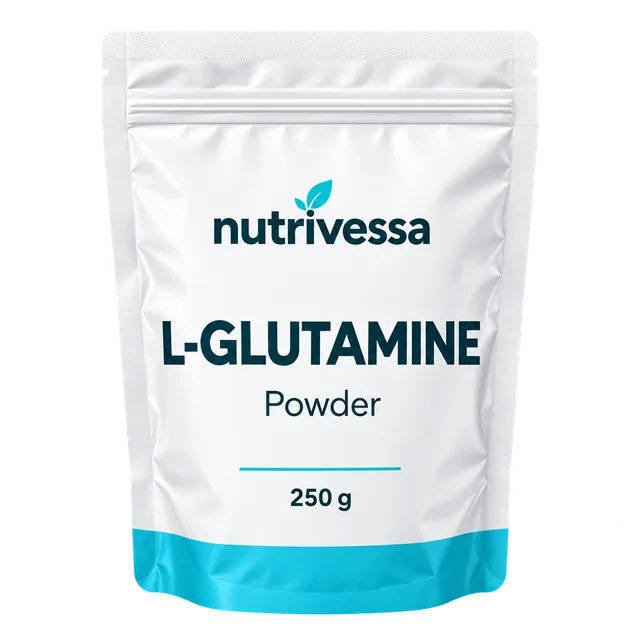
L-Glutamine: what the L means and why it is printed
- Buying guide
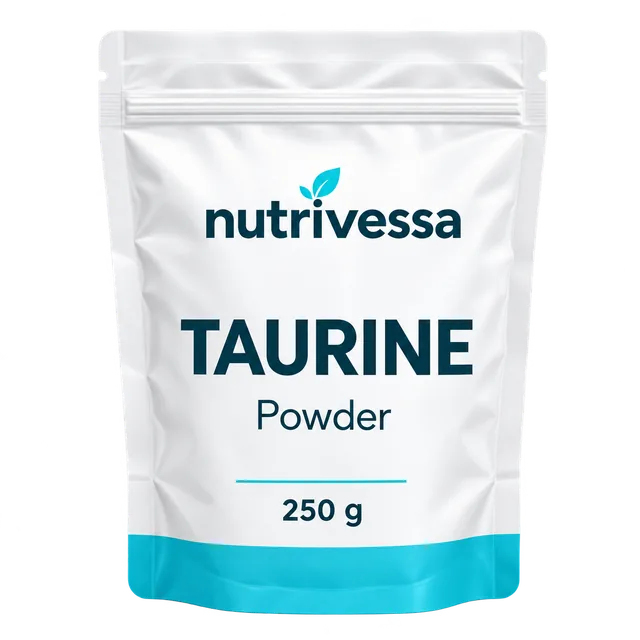
Taurine: reading a plain powder in a crowded category
- Buying guide
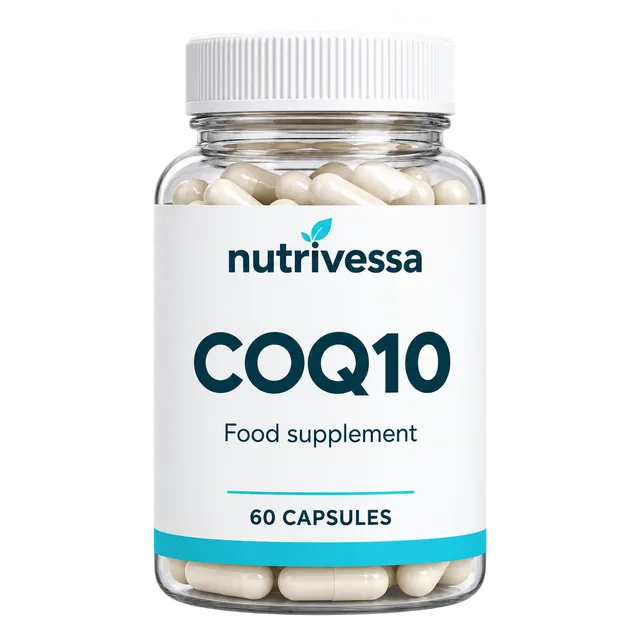
CoQ10 Capsules: amount per capsule, form, and what 60 means
03 / Shop
Read it, then compare the packs
Every guide points back to a listing. Start from a category or the full range.