Building a simple nutrition-shopping routine
A practical way to keep track of what you already own, what runs out when, and what a repeat order should cost.
Start with what is already in the cupboard
Most duplicate buying happens because nobody checked first. Pull everything out once and write it down.
List the product, the stated portion, the portions left and the best before date. That single list answers most future questions.
Work in portions, not packs
Packs are sold in counts and weights, which vary between brands. Portions are the only unit that survives a brand change.
Converting each item to portions per pack makes run out dates and prices directly comparable.
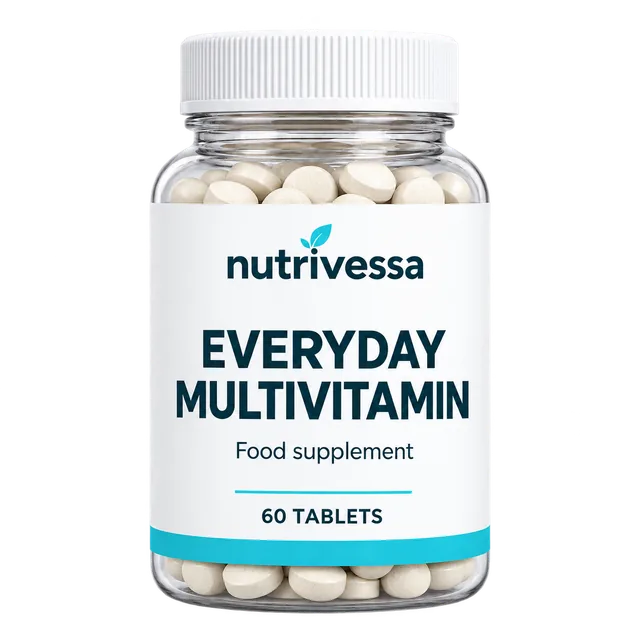
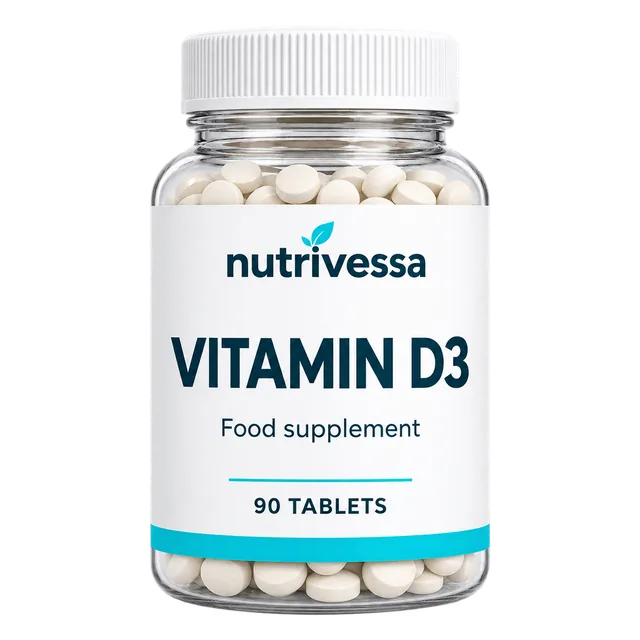
- Capsules or tablets: pack count divided by capsules per stated portion
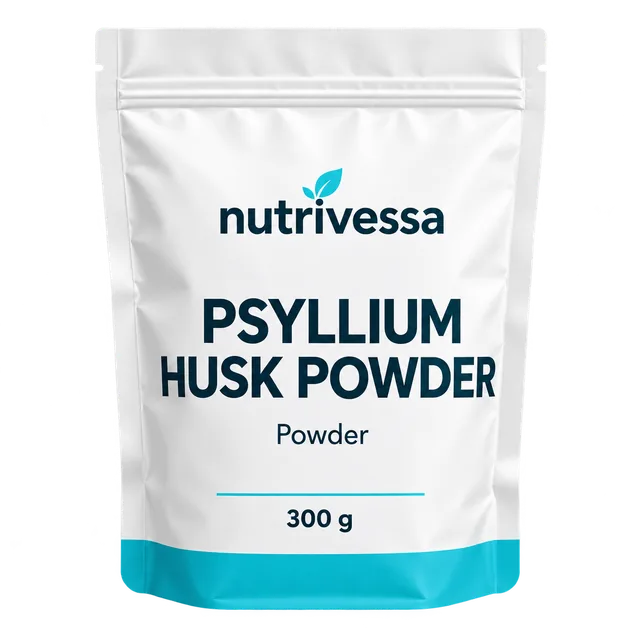
- Powders: net weight divided by stated portion weight
- Sachets: the count on the box is the portion count
Compare on cost per portion
Price per pack rewards big packs and hides weak panels. Cost per portion does neither.
Keep it in the same note as your cupboard list so a sale price is easy to judge.
Buy on a schedule, not on a prompt
A fixed review day, once a month, removes most impulse ordering. Check the list, reorder what is close to running out and close the tab.
Shipping thresholds are easier to reach when several items are reordered together, which is another reason to batch the review.
- One review day a month, in the calendar
- Reorder anything under two weeks of portions
- Group orders to avoid repeat delivery charges
Store it so you can read it
Keep packs in their original container. The container carries the batch code, the best before date and the panel you will want later.
Decanting powders into unlabelled jars loses all three.
Keep the list short
A routine that needs maintenance stops being a routine. One note, one review day, one unit of comparison.
Anything that does not fit on a single screen is probably a shopping habit rather than a system.