Understanding omega-3 labels and fatty-acid amounts
Fish-oil weight is not EPA and DHA content: how to find the fatty-acid amounts on an omega-3 label.
The big number on the front is usually oil weight
A softgel advertising 1,000mg is almost always telling you the weight of oil in the capsule.
The omega-3 fatty acids are a share of that oil, and that share differs widely between products.
EPA and DHA are the rows to find
Omega-3 is a family of fatty acids. On a fish or algal oil label the two usually itemised are EPA and DHA.
A panel that gives only a total omega-3 figure is less informative than one that itemises both, because the split is not recoverable from a total.
- Oil weight per capsule, often the front of pack number
- Total omega-3 content in the stated portion
- EPA amount, given separately
- DHA amount, given separately
- Capsules in the stated portion, so you can get a per capsule figure
Concentrated oils change the arithmetic
Concentrated oils carry a higher proportion of EPA and DHA per gram of oil, so a smaller capsule can itemise larger fatty acid amounts.
This is why comparing oil weights across brands is misleading, and why the itemised rows are the only reliable comparison.
Source: fish, algal or plant
Source is a factual statement about raw material and about suitability.
- Fish oil: a declarable fish allergen, commonly sold as softgels or liquid
- Algal oil: derived from microalgae, so the EPA and DHA are itemised the same way
- Plant oils such as flaxseed provide ALA, a different fatty acid, and ALA is not EPA or DHA
- Cod liver oil also carries vitamins A and D, which must appear in the panel
Freshness and form wording
Triglyceride and ethyl ester describe the chemical form of the oil in the capsule. Both are stated facts, not grades.
Oxidation figures, sometimes written as TOTOX, are quality measures some brands publish. If a number is not printed, treat the pack as silent rather than as reassuring.
- Check the form wording if it is given
- Check the best before date and storage instructions
- Check whether any purity testing is published rather than implied
A worked comparison
Two packs both say 1,000mg. The first itemises 180mg EPA and 120mg DHA per capsule. The second itemises 400mg EPA and 200mg DHA per capsule.
The oil weight is identical, the fatty acid content is not, and only the panel shows the difference.
Compare the formats on this site
Two listings in Minerals and Omegas let you read a fish source and an algal source against each other.
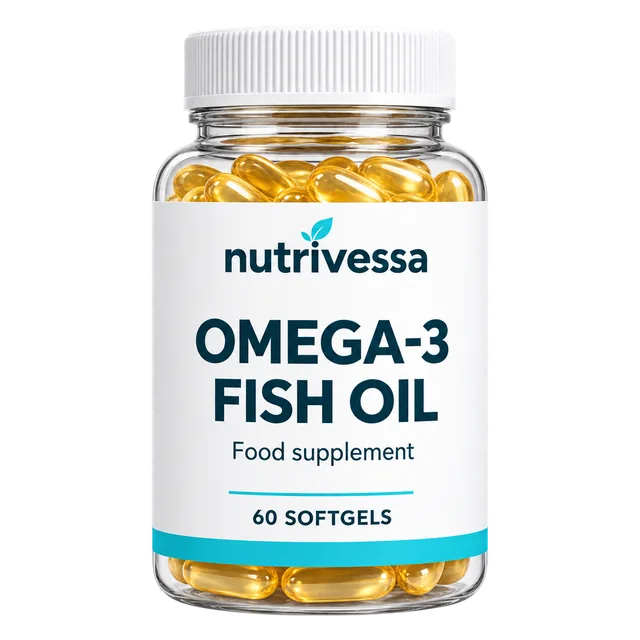
- Omega-3 Fish Oil, a fish derived source
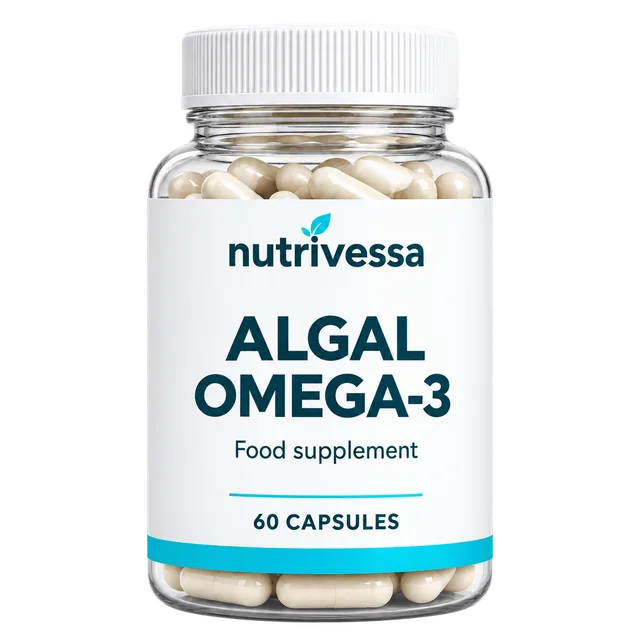
- Algal Omega-3, a microalgae derived source