Comparing magnesium supplement formats
Why two magnesium packs with the same big number on the front can hold very different amounts of magnesium.
Magnesium is always sold as a compound
Magnesium is a reactive metal, so it is never sold on its own. It is bound to something else: citrate, glycinate, oxide, malate, carbonate or another partner.
That partner has weight. The name on the front of the pack describes the compound, not the magnesium inside it.
Compound mass is not elemental magnesium
This is the single distinction that stops you being misled. A label stating 1,000mg of magnesium glycinate is telling you about the whole compound.
The elemental magnesium, the part counted as the nutrient, is a fraction of that figure. The elemental amount is the number the nutrition panel must give.
- Compound mass is the whole bound ingredient, printed large on the front
- Elemental magnesium is the mineral content, printed in the panel
- Different compounds carry different proportions of elemental magnesium
- A pack that only advertises compound mass cannot be compared with one quoting elemental content
How to compare two magnesium packs
Work entirely from the nutrition panel and ignore the front of the pack while you do it.
- Read the stated portion, so one capsule or two, one scoop or one sachet
- Find the row labelled magnesium and note the elemental amount
- Divide by the number of units in that portion to get a per unit figure
- Count portions per pack, then work out cost per portion
- Compare the compound name last, as context rather than as a score
What the common compound names tell you
The compound name is a factual description of chemistry, not a ranking. It tells you what the magnesium is bound to and often what the tablet will be like to take.
- Citrate: magnesium bound to citric acid, common in both capsules and powders
- Glycinate, also written bisglycinate: bound to the amino acid glycine, a heavier compound so capsules tend to be larger
- Oxide: a high proportion of elemental magnesium by weight, which is why small tablets can quote large numbers
- Malate, lactate and carbonate: further variations on the same pattern
Format: capsule, tablet or powder
Format changes practicalities rather than chemistry. Powders let you see the weight you are using, capsules are portable, tablets are usually the most compact.
Pick the format you will actually keep using, then compare elemental content within it.
Watch the other ingredients
Blends mix two or more magnesium compounds. That is not automatically better or worse, but it does make the panel harder to read.
If a blend lists a total magnesium figure only, you cannot tell how it is split between compounds, so compare on the total elemental amount and the price.
- Check whether capsule shells are gelatine or plant based
- Check for flavourings, sweeteners and bulking agents in powders
- Check whether suitability wording is stated or simply absent
Compare the two formats on this site
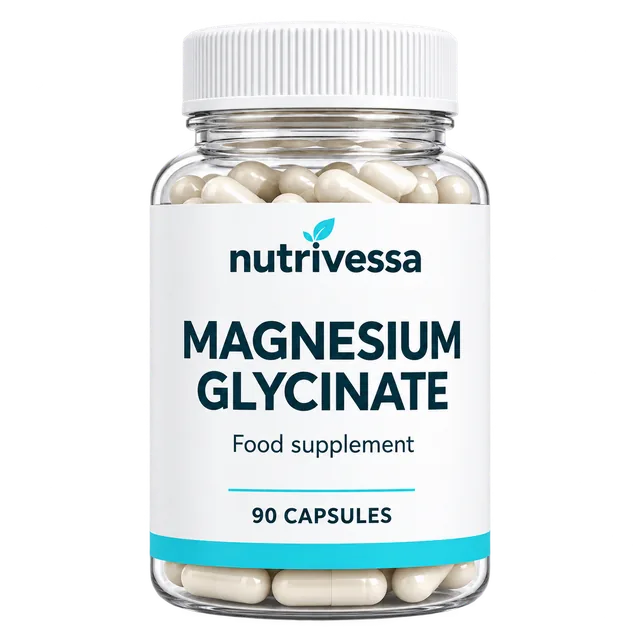
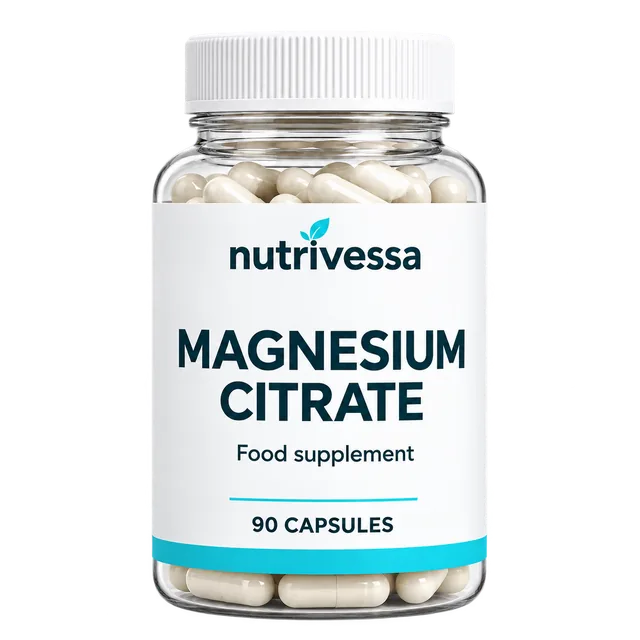
Nutrivessa lists magnesium in two compounds so you can read the panels against each other rather than take a recommendation.
- Magnesium Glycinate, in the Minerals and Omegas category
- Magnesium Citrate, in the same category