Algal omega-3: comparing a DHA led label
Algal oil labels usually lead on DHA. Here is how to read one and line it up against a fish oil pack.
Algal labels usually lead on DHA
Oil from microalgae is typically richer in DHA than in EPA, and many algal labels declare DHA prominently with EPA either on a smaller line or absent.
So the shape of the label differs from a fish oil pack even before the numbers do. Check which of the two lines are actually printed.
Oil weight is still not the omega-3 figure
The milligrams of algal oil per capsule and the milligrams of DHA are separate numbers, exactly as with fish oil.
A larger capsule can hold a less concentrated oil. The only way to know is to read the DHA line rather than the oil line.
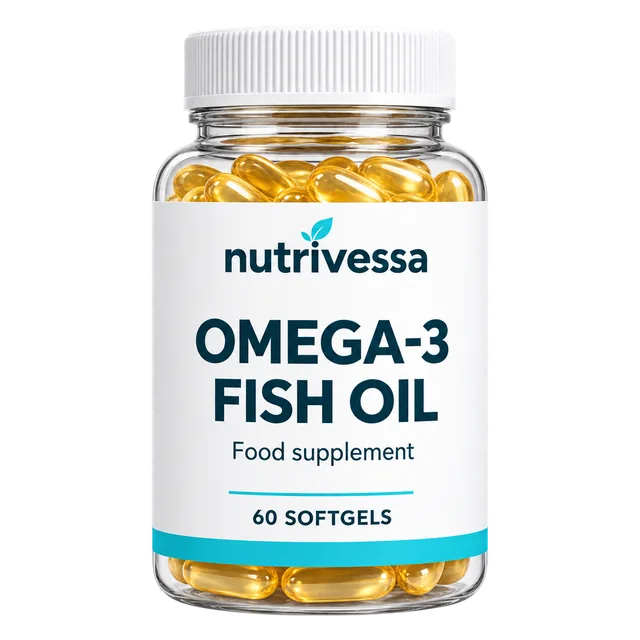
Putting algal and fish oil side by side
The comparison works line for line, not pack for pack. EPA goes against EPA, DHA against DHA.
- Find the DHA figure on both labels and note the units.
- Find the EPA figure, and note it if one label omits the line entirely.
- Confirm whether each figure is per capsule or per stated portion.
- Only then work out the cost per portion of each.
No percentage column to lean on
There is no nutrient reference value for DHA or EPA, so an algal label shows milligrams without a percentage beside them.
This is different from a mineral label, where the NRV percentage gives you a shortcut. Here the raw milligram figures are the whole comparison.
Capsule shell and suitability wording
The capsule shell is named in the ingredients list and is often a plant based material in algal products, though that cannot be assumed from the oil source alone.
Any suitability wording on the front of a pack should be checked against the full ingredients list, shell included.
Sixty capsules, portion on the label
This pack is listed as 60 capsules. That figure counts capsules, not portions, and only the label can link the two.
A pack with fewer capsules is not automatically poorer value once portion sizes differ.
What the label tells you
The full ingredients list, the amount per portion, allergens, dietary suitability, directions and storage are printed on the pack.
Read the label before you take any supplement, and check the product page for the format, pack size and price before you buy.