Marine Collagen Powder: what to check before you buy
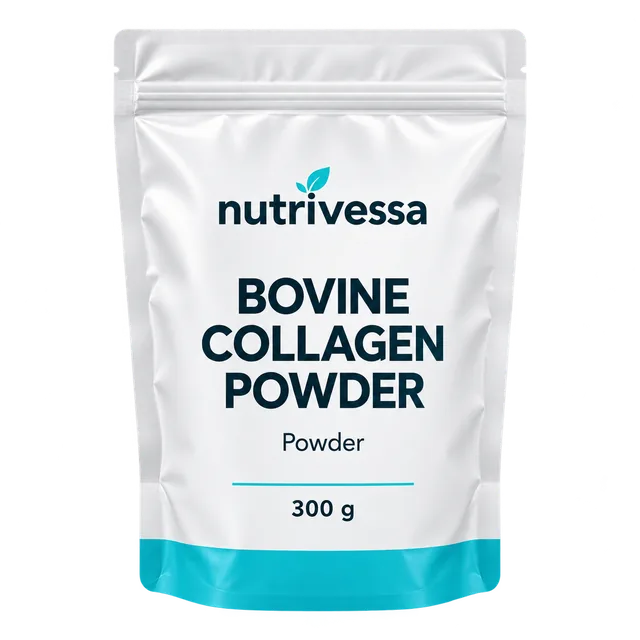
Compare a 300 g marine collagen pouch by source, allergen declaration and the amount stated per portion.
Marine means fish derived
Marine collagen is made from fish. That single fact decides most of what you need to check, because fish is one of the allergens that UK labelling rules require to be declared on the pack.
Look for the declaration in the ingredients list, where the allergen is emphasised, rather than in marketing text on the front of the pouch.
What the source tells you about suitability
A fish derived powder is not vegan and not vegetarian. If you avoid fish for dietary or religious reasons, marine collagen is the wrong pouch to compare and bovine is the alternative source in this range.
- Species and the part of the fish used are supplier questions, not label guesses
- A pouch that does not name its source has not told you enough to compare
- An allergen declaration and a cross contamination statement are two different lines
300 g is a weight, not a collagen content
The pouch size tells you how much powder is inside. It does not tell you how much collagen each portion contains, and the two numbers are not interchangeable.
The amount per portion is a separate figure that is printed on the label. Read that figure, not the pouch weight, when you are comparing two powders.
You cannot compare a pouch with a capsule pack by count
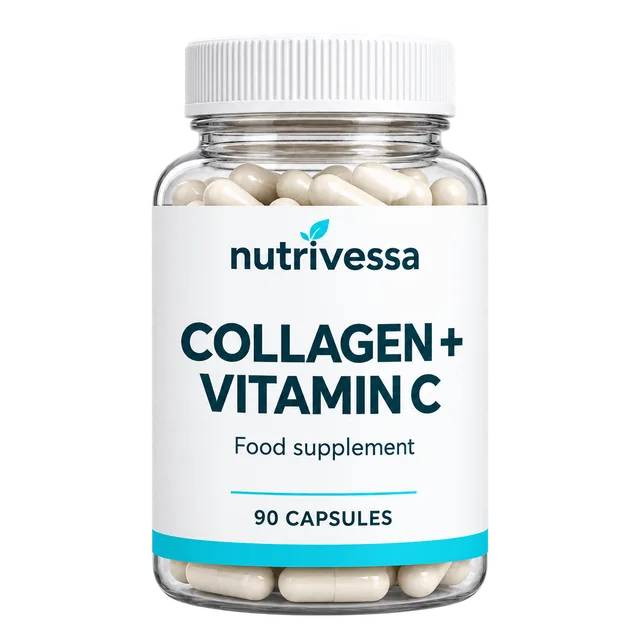
A 300 g pouch and a 90 capsule pack have no shared unit. One is sold by weight, the other by count, so the only honest comparison is the amount each one states per portion.
Once you have that figure for both, the stated portion and the number of portions per pack become comparable too.
Checking the rest of the label
An unflavoured powder has a short ingredients list, which makes anything extra easy to spot. Read the list in full, then check storage wording and the stated portion.
- Ingredients in descending order of weight
- Allergen declaration, emphasised in the list
- Stated amount per portion and portions per pack
- Storage conditions and best before placement
What the label tells you
The full ingredients list, the amount per portion, allergens, dietary suitability, directions and storage are printed on the pack.
Read the label before you take any supplement, and check the product page for the format, pack size and price before you buy.