Beta-Alanine: checking a single-ingredient powder
What a 250 g single-ingredient tub should and should not declare, and how to price it against its neighbours.
The list should be one item long
Beta-Alanine is sold here as a single-ingredient powder. On a finished label the ingredients list should name beta-alanine and stop there.
A longer list is not automatically a problem, but it means you are no longer comparing like with like against a plain tub. Look for bulking agents, flow agents and sweeteners.
Read the ingredient name precisely
Amino acid labelling is specific. Beta-alanine is its own named ingredient and is not interchangeable with alanine, so the hyphenated name on the pack is doing real work.
Where a product uses a trade name, the legal ingredient name still has to appear. The trade name is marketing, the ingredient name is the label.
250 g priced against the rest of the shelf
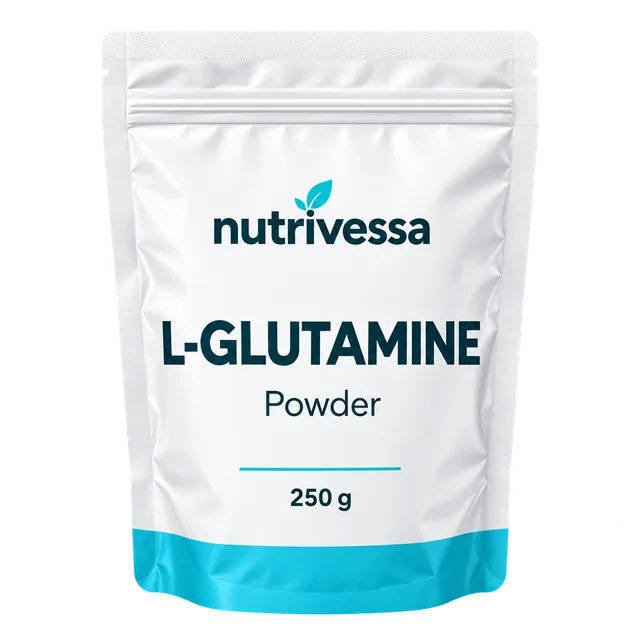
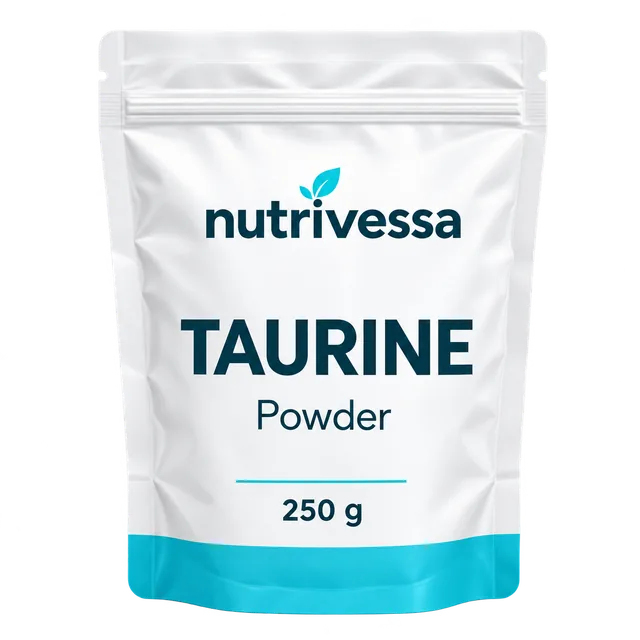
This tub is 250 g, the same stated weight as our L-Glutamine and Taurine. That makes price per 100 g a clean comparison across the three.
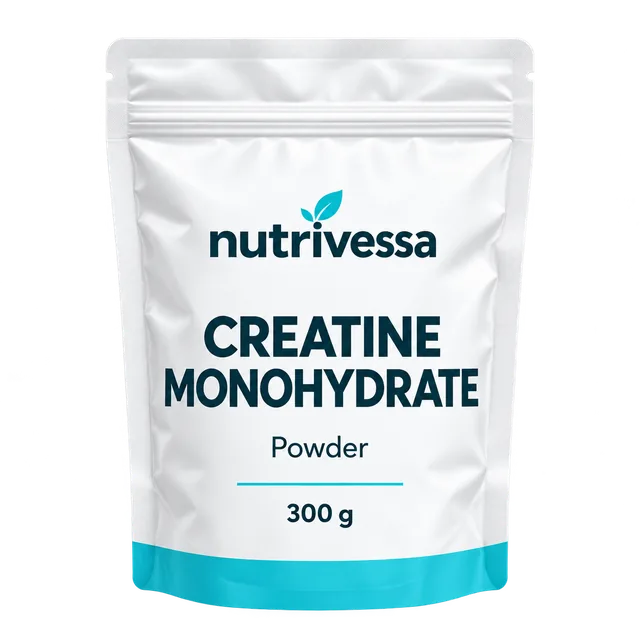
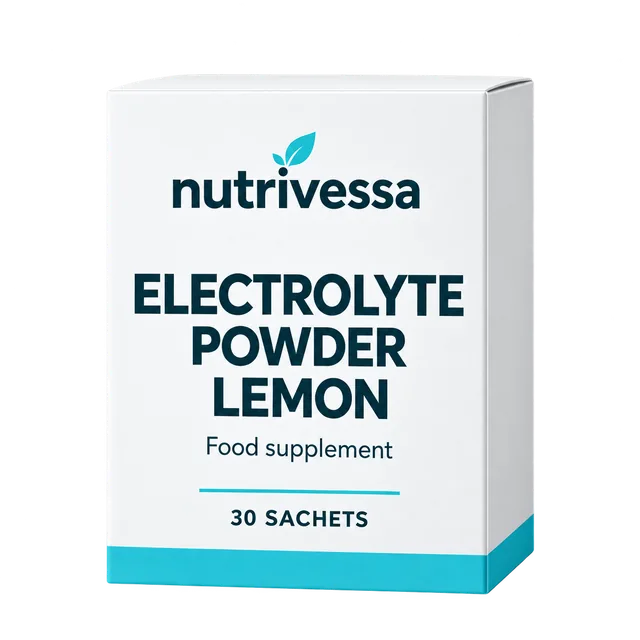
Creatine Monohydrate is 300 g, so it needs converting before you set it alongside them. Our electrolyte product is a 30 sachet box, sold by count, which is a different unit again.
- Beta-Alanine, 250 g powder
- L-Glutamine, 250 g powder
- Taurine, 250 g powder
- Creatine Monohydrate, 300 g powder
- Electrolyte Powder Lemon, 30 sachets, sold by count
Unflavoured is an ingredients statement
If a single-ingredient powder is described as unflavoured, the list carries no flavouring, sweetener or colour. That is the whole meaning of the word on a pack like this.
A flavoured version of the same amino acid is a mixed product, and its label will show the flavouring system alongside the named ingredient.
What the label tells you
The full ingredients list, the amount per portion, allergens, dietary suitability, directions and storage are printed on the pack.
Read the label before you take any supplement, and check the product page for the format, pack size and price before you buy.